
Our Location
304 North Cardinal St.
Dorchester Center, MA 02124
Find B47 engines for sale with verified fitment support, inspected donor condition, warranty options, and delivery for BMW diesel replacement projects.
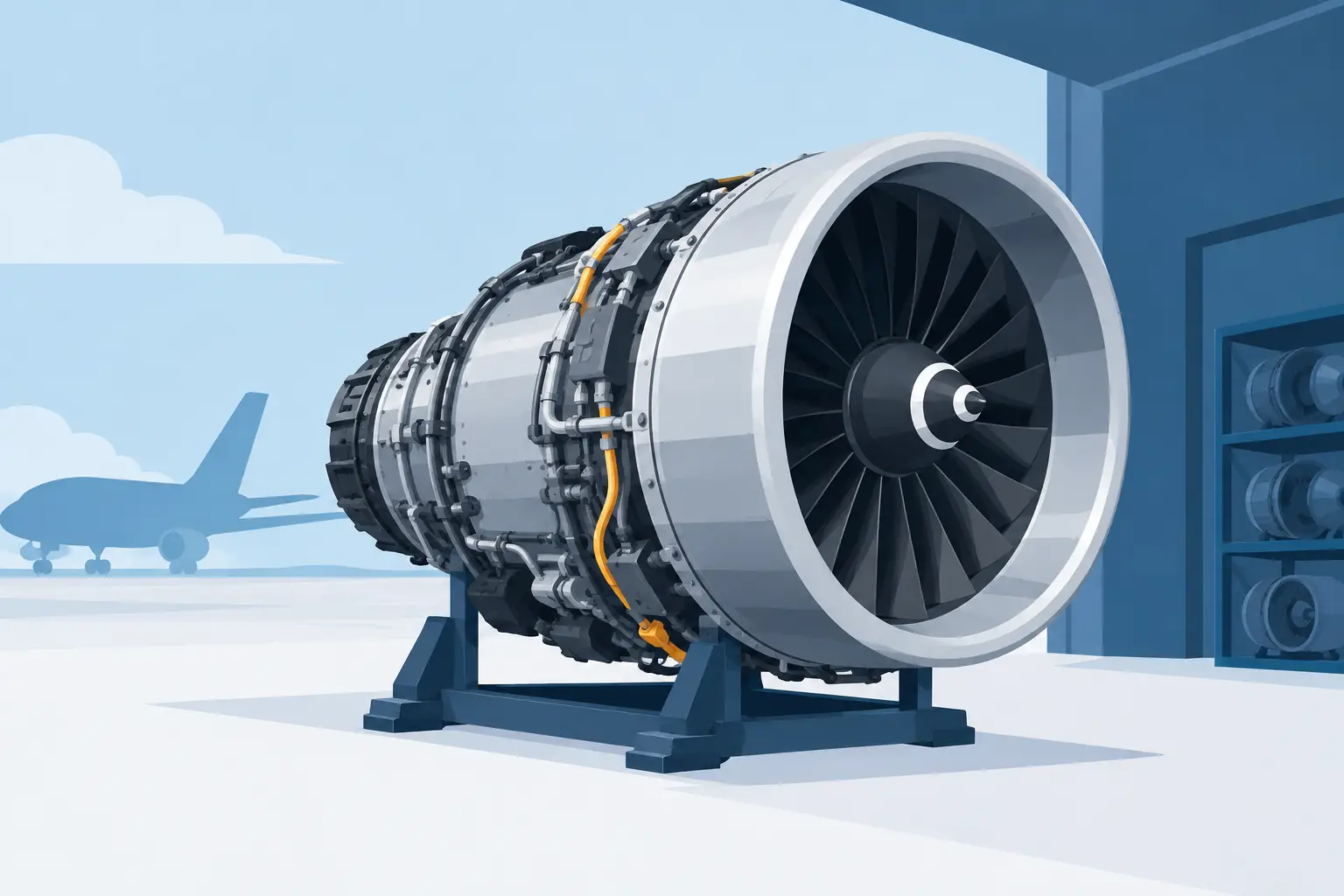
A failed timing component, low compression, oil contamination, or a damaged turbo can turn a dependable BMW diesel into an expensive problem quickly. Choosing from available B47 engines for sale can be a far more economical route than fitting a new factory unit, but only when the replacement engine matches the vehicle correctly and has been assessed before dispatch.
The BMW B47 is a 2.0-liter, four-cylinder turbo-diesel engine family used across a wide range of modern BMW vehicles. It is valued for strong low-rpm torque, practical fuel economy, and refined road performance. Yet an engine replacement is not a part you should buy on displacement alone. The correct donor specification, condition, ancillary configuration, and warranty terms all matter when the goal is to return your BMW to the road with confidence.
The B47 replaced the earlier N47 diesel family in many applications and was fitted to BMW passenger cars and SUVs from approximately 2014 onward. Depending on the model and output version, it may be found in 118d, 120d, 125d, 218d, 220d, 318d, 320d, 325d, 418d, 420d, 425d, 518d, 520d, X1, X3, and X4 variants. Exact application varies by market, production year, drivetrain, and emissions specification.
This is why a listing that simply says “BMW 2.0 diesel engine” is not enough. B47 engines were produced in different states of tune and configurations. A rear-wheel-drive 320d engine may not be prepared in the same way as an xDrive SUV or a front-wheel-drive-based BMW application. Sump design, engine mounts, turbocharger arrangement, intake components, wiring provisions, and emissions equipment can differ even when the core engine family is the same.
A professionally supplied used B47 engine should be carefully sourced from a donor vehicle and inspected for mechanical condition. At BAV Engines, suitable replacement assemblies are selected with the needs of BMW owners, independent workshops, and trade buyers in mind. Low-mileage donor availability can vary, so the most sensible purchase is the correctly specified engine in documented condition rather than the first low-priced unit that appears online.
The fastest way to avoid an incorrect order is to provide the vehicle VIN, registration, or existing engine code before purchase. These details allow the supplier to identify the original factory specification and check the replacement engine against it.
The B47 designation identifies an engine family, not one universal engine. Output levels, emissions hardware, turbo systems, and vehicle installation layouts can change within that family. A technician may also need to confirm whether the replacement is being supplied as a long block, a bare engine, or a complete engine assembly with selected attached components.
For many repairs, reusing certain vehicle-specific parts from the original engine is normal. Depending on the donor and recipient vehicle, this can include the ECU, wiring harness, injectors, turbocharger, intake equipment, exhaust aftertreatment parts, air-conditioning compressor, alternator, and starter. The right approach depends on the condition of those parts and the exact assembly being purchased.
A good fitment check saves more than the cost of return shipping. It can prevent workshop delays, unexpected labor, programming complications, and the frustration of discovering a small but critical difference after the old engine has already been removed.
Provide the model, model year, transmission type, and whether the vehicle is rear-wheel drive, front-wheel drive, or xDrive. Production date can be especially useful when a model received an update during its generation. If a mechanic has identified a full engine code from the existing unit, include it along with the VIN.
For shop customers, photos of the original engine bay, engine label, turbo position, and oil pan can provide an additional layer of confirmation. This is particularly helpful on vehicles with previous repairs, imports, or modified equipment.
A used engine is only affordable if it provides a sound foundation for the repair. Mileage is useful, but it is not the only indicator of quality. A higher-mileage engine that has been maintained properly can be a better prospect than a low-mileage unit with poor oil condition, signs of overheating, or visible damage.
Before an engine is offered for sale, the practical focus should be on its mechanical condition. Inspection should include compression where applicable, oil quality, visible wear, external damage, signs of leaks, and the general condition of key components. The donor vehicle history and recorded mileage should also be reviewed where available.
Look closely at what is included in the quoted engine. “Complete” can mean different things between suppliers. Confirm whether the engine includes the cylinder head, oil pan, injectors, turbocharger, fuel system components, intake manifold, and other accessories. A complete assembly may reduce installation time, but a workshop may prefer to transfer proven vehicle-specific ancillaries from the original engine. Neither option is automatically better. It depends on the failure that caused the replacement and what your technician finds during inspection.
It is also sensible to budget for preventative work while access is easy. Fresh fluids, filters, seals, belts, hoses, and any known wear items can protect the investment in the replacement engine. If the original failure involved debris, contaminated oil, overheating, or turbo damage, the cause must be corrected before the replacement is installed. Installing another engine without addressing the failed component can repeat the same problem.
For a private owner, the priority is usually an affordable, OEM-compatible route back to reliable daily driving. For an independent garage, fast turnaround and clear fitment information may matter just as much. Trade buyers may also need consistent sourcing, accurate invoices, and delivery planning for multiple repairs.
The best choice is rarely the cheapest engine listed. Consider the donor mileage, inspection information, included components, warranty availability, and the supplier’s willingness to verify fitment. A small upfront saving can disappear if the engine is wrong for the chassis or requires unexpected parts to complete the job.
A warranty provides useful protection, but read the terms carefully. Used-engine warranties commonly require correct installation, proof of servicing, replacement of necessary service items, and prompt reporting of any issue. They generally do not cover faults caused by overheating, improper tuning, contaminated fuel, or an unresolved failure elsewhere in the vehicle. These conditions are reasonable because an engine’s reliability depends heavily on the systems connected to it.
An engine installation becomes smoother when delivery is coordinated with the repair schedule. Confirm whether the receiving location has suitable access for a pallet delivery and whether the garage can inspect the shipment on arrival. Before fitting begins, check the assembly against the order, compare key features with the removed engine, and photograph any shipping damage immediately if present.
International and domestic shipments require the same attention to identification and packaging. A replacement engine should be securely prepared for transport, with fluid handling and protective packing considered. For customers outside the supplier’s local area, clear communication on dispatch timing, destination requirements, and delivery access can prevent avoidable delays.
The B47 can provide years of efficient, torque-rich performance when it is installed as the correct specification and supported by a healthy fuel, cooling, lubrication, and emissions system. Do not rush the decision because the vehicle is off the road. Send the VIN or registration, confirm the engine code and included parts, ask how the donor engine was inspected, and make sure your installer understands the original cause of failure. That preparation turns a replacement engine purchase into a sensible repair rather than another uncertainty.